Research in Performance: Balancing Progress and Preservation
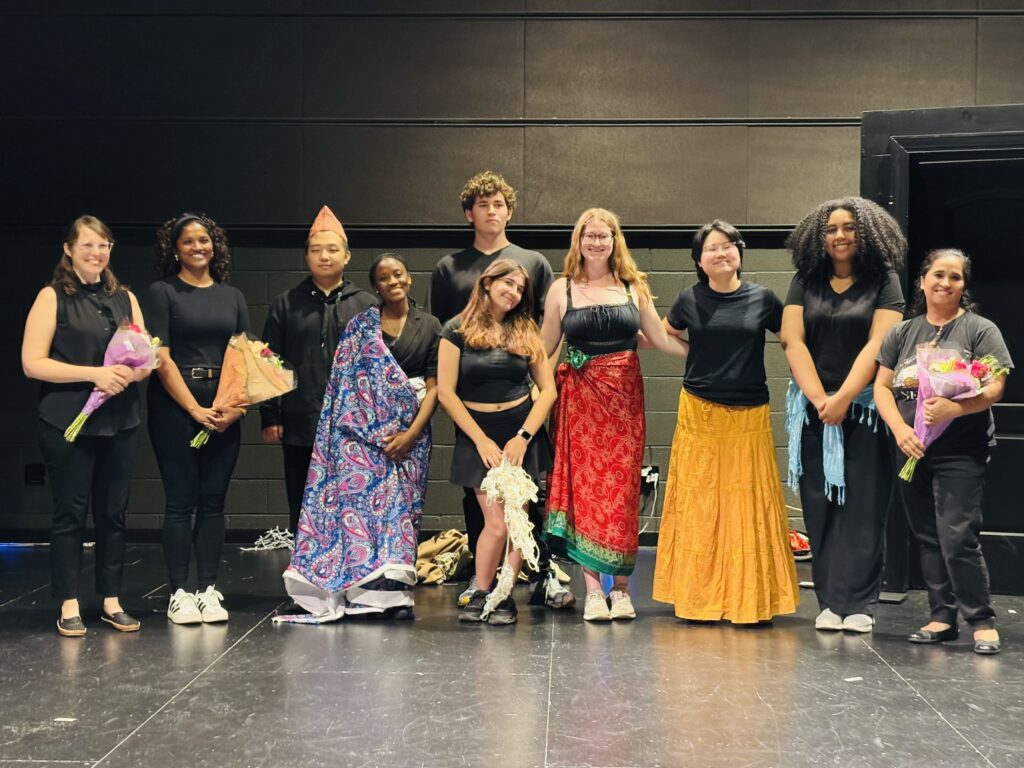
Balancing Progress and Preservation is an ethnographic theater project developed as part of the Nepal Water Initiative and funded by William & Mary’s Applied Research and Innovation Initiative. The project examines the trade-offs between economic development, cultural preservation, and conservation in Nepal’s riparian Indigenous and marginalized communities, with a focus on the Koshi River Basin.
The performance draws on ethnographic research, interview data, and collaborative analysis by researchers across conservation, development, religious studies, and theatre and performance. Using ethnographic theater as a research method, the project explores how communities experience hydropower development, river ecosystem change, land acquisition, resettlement, shifting fish populations, and disruptions to river-based livelihoods and cultural practices.
The project focuses especially on Majhi and Sunwar communities, whose social, cultural, spiritual, and economic lives are closely tied to river ecosystems. Rather than presenting development and preservation as mutually exclusive, the performance examines how these trade-offs are experienced on the ground and asks whose priorities shape infrastructure decisions, whose voices are included, and how research can be translated through performance.
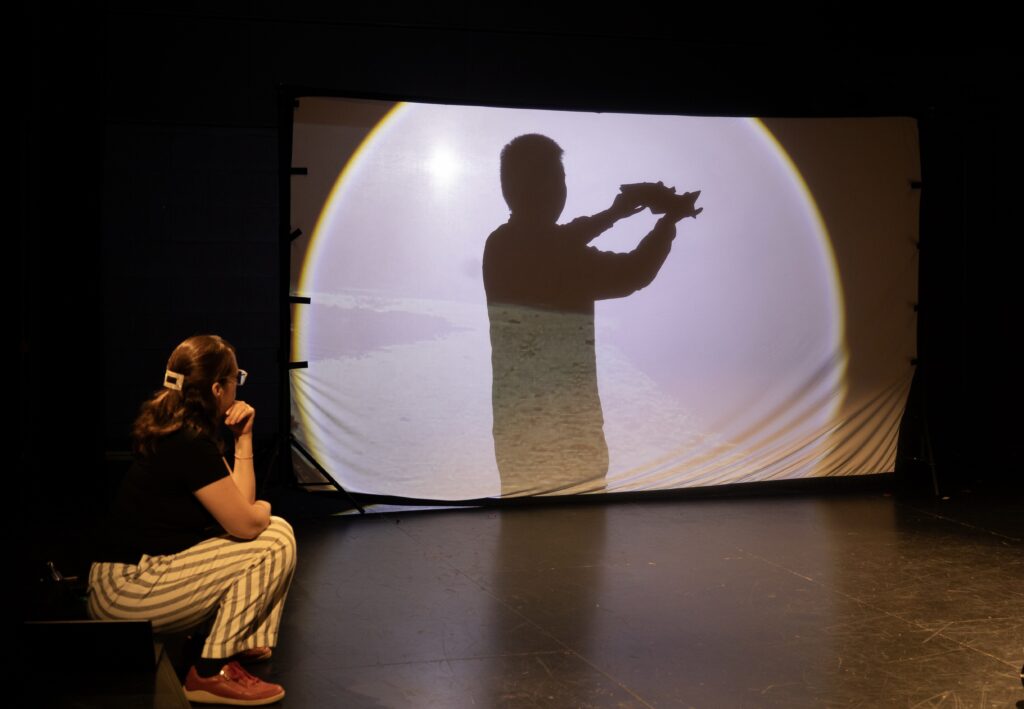
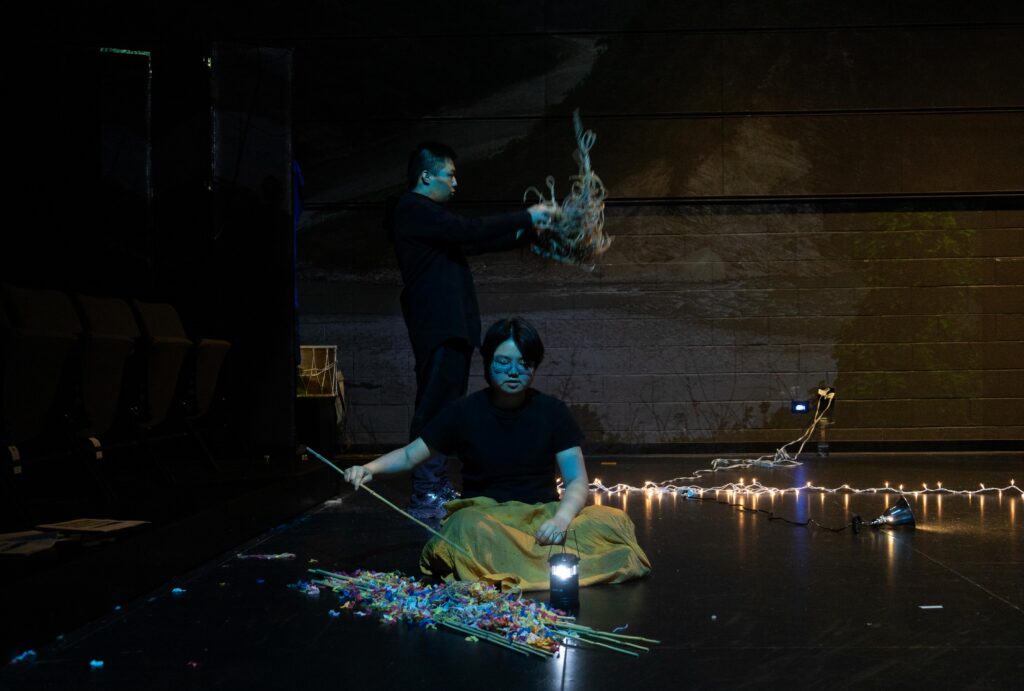
The performance was directed by Sarah Hart, with research by Sapana Lohani, Narayani Sritharan, and Patton Burchett, and contributions from student co-researcher-performers. It uses Moment Work, a devising technique developed by Tectonic Theater Project, to bring together light, sound, spatial relationships, objects, embodied movement, and story as tools for research translation and collective reflection.
Check out this 10min documentary on the making of the ethnographic theatre project, “Balancing Progress and Preservation”:
See recording of full theatrical event below. The video captures an experimental ethnographic theatre performance designed to explore form and method rather than polished production, including participatory moments where the audience moves through the space and concluding with recorded audience feedback.